In middle school, I was assigned to write a short story. I must have mentioned it to my dad. I remember him leading me into his bedroom — the room that was always locked, always shut. It felt forbidden. There was a bathroom no one was allowed to use, a secret closet with, a door that looked barely large enough for a hobbit to fit through. Before leaving me alone, he pointed to it.
“Whatever you do, Don’t open that door.” He stated in a very serious tone.
He sat me down at a makeshift plywood desk in front of his computer — an early model with a green screen and a blinking white cursor. The room hummed faintly. I tried to begin. Once. Twice. Three times. I couldn’t find a hook. “Dad…”
He came back upstairs, pulled up a chair beside me, and began to dictate.
“Once upon a time, there was a girl…”
I typed as fast as I could.
“She had dark brown hair and green eyes…”
He was describing me.
“Her grandmother gave her a very special opal ring with magical powers…He described the colors in great detail… but she lost it.”
It was the most exciting story I had ever heard. Once he began it, I took over — shaping it, extending it, finishing it for my assignment. But he had given it breath. And I wanted that same power.
My father carried stories in him — an instinct for narrative, for drama, for myth. Whether intentionally or not, he passed something to me that day.
It was a quieter kind of authority than I was used to. Stable. Creative. Generative. He didn’t raise his voice to command the room; he built a world and invited me into it. That kind of authority creates rather than controls.
I didn’t always experience him that way. Sometimes he was gentle and humorous, playful even. Other times he was serious, imposing, unpredictable in tone. As a child, I learned to read the shifts.
But as he aged, something in him softened. Time thinned him. His own parents passed away leaving room for reflection and forgiveness. As my siblings and i grew independent, perhaps the weight of protecting and providing eased. He seemed less burdened by responsibility.
Or perhaps I changed.
Perhaps distance gave me clearer vision. What stays with me most from that afternoon in his bedroom is this: he suggested my life could be written as fiction.
Even then, there was irony in it.
The girl with the opal ring was me — real, yet imagined. The ring would later be real too — and then lost. The past itself has always felt that way in my hands: factual, yet shifting. Lived, yet reassembled each time I tell it.
Was there a pattern forming even then?
That authority could shape a narrative.
That stories could reinterpret realities
That what is real can be written as fiction — and what is fiction can quietly prepare you for what is real.
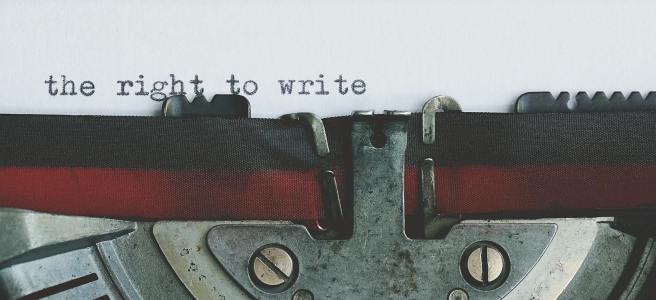
After that, all I wanted to do was to write. He must have known. It was him after all, who bought me my first word processor and then a computer. Perhaps writing became the place where I would find agency and voice — not by denying the past, but by deciding how it would be told.
Writing became one of the most defining parts of who I was — a place where I could order what felt disordered, shape what felt chaotic, give beginnings and endings to things that otherwise blurred.
Years later, he gave me an opal ring. He told me it had belonged to my grandmother — her engagement ring — and that he had kept it through the divorce for me. I treasured it. The stone caught the light in shifting colors, never quite one shade, never fixed just as he had described it.
A few years ago, to my absolute heartbreak, I lost it.
I have often thought about that first story — the girl with the magical ring who loses it.
At the time, it felt like fiction. Now it feels like inheritance.

 My Faith Place