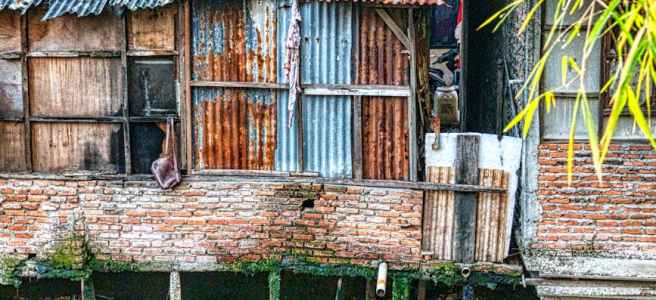
Our new neighbors live across the river from us. Between our small cottage and their blue‑tarped shanty runs a long, crooked river that leads to a deep, beautiful lake in New England. It wraps nearly 270 degrees around our . rolling green hills, tall maples, and sun‑dappled grasses.
“It looks like a park,” my oldest sister once said. She no longer speaks to me—our relationship fractured over unmet expectations. My middle sister told me that thinking of me at my “little cottage” made her smile, right before she blocked me and reminded me I had “managed to lose two sisters.” My mother, when we signed the papers, declared, “You’re going to love it here—you won’t want to leave,” as if she knows what I want better than I do. there’s been plenty of times in life where I have shut her out with strong boundaries.
Life is bittersweet. Honeybees have stingers. Roses have thorns. Apparently, I am the thorn.
Still, everyone is right about one thing: this place is picturesque. For years I prayed that God would give me somewhere quiet—a place to escape, to write, to find peace. Based on the opinions of others, I don’t deserve it. Maybe that’s why I cling to it like a rose.
We have some large windows. In winter, when the snow falls, the house feels like a snow globe. In summer, the open windows let in light, river views—and our neighbors’ conversations. The water doesn’t mute sound; it amplifies it. The elderly woman across the river has a shrill, raspy voice, uncannily like Mama Fratelli from The Goonies. Worn down by decades of yelling at kids and dogs.
“Who took my damn pills?” she shouted one Sunday morning. I laughed. Honestly, if I need writing material, all I have to do is step onto the deck.
“I have no shoes!”
“He won’t go—KNOCK IT OFF!”
Even the ducks scatter upstream, as if being scolded.
I’m an early riser. I like my coffee, my Bible, the birds, the breeze. I crave quiet.
“He leads me beside still waters.”
I watch geese glide effortlessly across the river, their family close behind—
when suddenly: “AH, FUCK,” followed by a string of profanities, shattering the morning.
“Lord,” I complained, “how am I supposed to hear your still, small voice through this noise?” I came to Maine for quiet waters. Why river folk?
“That’s not the noise that will keep you from hearing Me,” I sensed Him say.
God’s voice doesn’t compete with the clamor outside. It comes from within—felt more than heard. Understood more than explained.
It isn’t external noise that robs my peace; it’s the noise inside me. My own need to control. My resentment. My rumination. My god‑complex, if I’m honest.
I am sound‑sensitive—it’s real. Loud voices, snoring, mowers, whistles—they don’t just irritate my ears; they pull my mind into chaos. But the world is full of noise we can’t escape: barking dogs, cursing neighbors, bad news, family drama, pain. C.S. Lewis called pain God’s megaphone. Noise comes in many forms, and none of them prevent God from reaching us.
What does interfere is internal noise. Self‑doubt. Insecurity. Anger. Bitterness. The quiet voice that says you are misunderstood, unjustly judged, a thorn. This noise can deafen us even in perfect silence.
I can’t control the woman across the river yelling about pills. I can control my response. External noise only has the power I give it. Internal noise is subtler—and far more dangerous.
So it was ironic that just when I expected not to hear God at all, He spoke clearly:
“If you want to hear Me, it’s not Mama Fratelli who needs to be silent. It’s the shrill loud voice inside you. Resentment, comparison, bitterness, anger—these will drown Me out. not the noise your ears hear but the noise your heart believes.
Kim Blenkhorn

 My Faith Place