I spent most of my life convinced that exercise simply wasn’t for me.
As a kid, I hated gym class with a passion. I forgot my gym clothes constantly, was physically weak, uncoordinated, and exhausted almost immediately by anything involving running, jumping, or teamwork. I wasn’t athletic, didn’t play sports, avoided physical activity outside of school, and learned early that movement came with embarrassment and failure. So I opted out whenever I could.
In high school, I briefly tried softball and basketball—mostly because I tend to say yes to new things even when they terrify me. I was predictably terrible. I didn’t understand the rules, couldn’t coordinate my body, and followed everyone else just to avoid standing out. The only thing I liked was the routine and the sense of belonging. Once I had the freedom to quit, I did.
That pattern followed me into adulthood. I liked the idea of fitness, but found it boring and inaccessible. I assumed I just wasn’t built for it. Exercise felt performative, competitive, or chaotic—none of which worked for me.
Everything changed when I accidentally found forms of movement that removed those barriers.
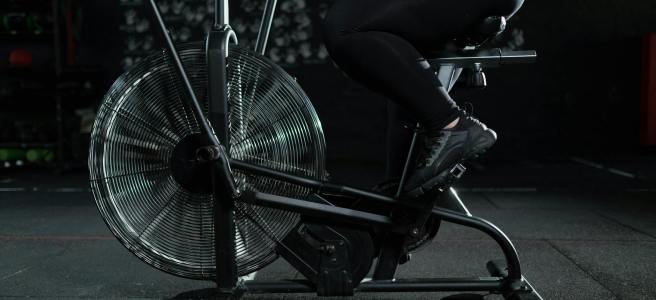
In my thirties, I tried spinning and was shocked to discover I liked it. The structure mattered: the same bike, the same room, the same instructor cues, the music, the clear beginning and end. I didn’t need balance, coordination, or teamwork. I could focus. I felt grounded.
Later, after COVID and a long period of depression, I found aquatics classes, then strength training, barre, Pilates, and TRX. The pattern was always the same. I thrived when movement was structured, predictable, instructor-led, and noncompetitive. I could work alongside others without being responsible for them. I could challenge my body without performing.
And then I realized something that changed everything:
I didn’t just like working out.
I needed it.
When I exercise, my mind quiets. The constant mental noise settles in the same way it does when I paint. When my body is busy, my brain finally rests. Sitting still—writing, thinking, planning—my mind feels like a runaway engine. Movement regulates it.
That’s when the ADHD connection clicked.
I don’t exercise for my body anymore—I exercise for my brain. It’s not optional. When I don’t move, I become depressed, anxious, impulsive, and unfocused. Everything spins out of orbit. When I do move, I’m calmer, more attentive, less reactive. My memory improves. I stay on task. I don’t wander through the grocery store forgetting why I’m there and leaving with candles and plants instead of what I needed.
Research backs this up. Exercise increases dopamine, norepinephrine, and serotonin—neurochemicals ADHD brains tend to be low in. Regular movement improves focus, executive functioning, and impulse control. Studies also show why “brain breaks,” walking, and fidgeting help people with ADHD regulate and concentrate. The ADHD brain thrives on structure, novelty, measurable progress, and skill-building—exactly what consistent exercise provides.
Looking back, I realize the hyperactivity I thought I lacked was never absent—it was just happening entirely in my mind. I spent years keeping my brain busy through writing, researching, planning, and creating, but my body was left out of the equation. The imbalance led to anxiety and depression. Exercise tipped the scale back.
Now I work out three to five days a week, walk when I can, and move because my brain depends on it. I’m still not a team player. I’m a solitary athlete. But once I was free to choose movement that worked with my brain instead of against it, I thrived.
In many ways, I owe myself an apology. I didn’t trust my body. I didn’t understand what it needed—or how much calm my brain was craving. Now I do.
If you have ADHD, don’t deprive your brain and body of working together. That partnership might be the very thing that changes your life.
(Source: CHADD, Exercise and ADHD)

 My Faith Place