It’s a dramatic moment. Jesus is walking the road to Golgotha—the place where he will breathe his last breath. He has been passed between rulers, mocked, beaten, spit on, and mistreated. Yet beneath the physical suffering lies a deeper sorrow: rejection by his own people. Though this suffering was part of God’s redemptive plan, though it would bring salvation even to those betraying him, Jesus remains fully human. He feels the deep ache of being unrecognized, unwanted, and unloved by those he loves most. In crucifying him, humanity is killing its own Creator. What, then, would be off-limits from that point on? To destroy the one who gave you life reveals the deepest form of evil—a complete collapse of love and compassion. It is a depraved state, one in which the human heart has surrendered itself entirely to darkness.
As he stumbles along, crowds line the road—some shouting, some mocking, some watching in silence. Among them are women weeping and wailing. Jesus turns to them and speaks—remarkably, at length.
“Do not weep for me,” he says, “weep for yourselves and for your children. For days are coming when they will say, ‘Blessed are the barren…’ People will beg the mountains, ‘Fall on us,’ and the hills, ‘Cover us.’ For if they do these things when the tree is green, what will happen when it is dry?” (Luke 23:28–31)
This is a shocking warning. Jesus calls himself the green tree—alive, innocent, fruitful, healing, truthful, full of life. And yet this living tree is being cut down. If such injustice and cruelty are done to what is green, what will be done to what is dry? There is such a sense of ignorance and folly I can almost taste it through the text.
In Scripture, a green tree symbolizes life and fruitfulness. A dry tree represents barrenness—separation from God, a life incapable of producing fruit (Isaiah; John 15). Jesus is saying: if the human heart is wicked enough to kill the Son of God, then nothing and no one is off-limits. If they destroy the innocent, what mercy will remain for the guilty?
He tells the women to weep not for him, but for themselves and their children, because a time is coming when having no children will seem like mercy. Not because children are a curse, but because watching your fruit—your sons and daughters—suffer and be torn away will be unbearable. The pain of bearing fruit will feel heavier than barrenness.
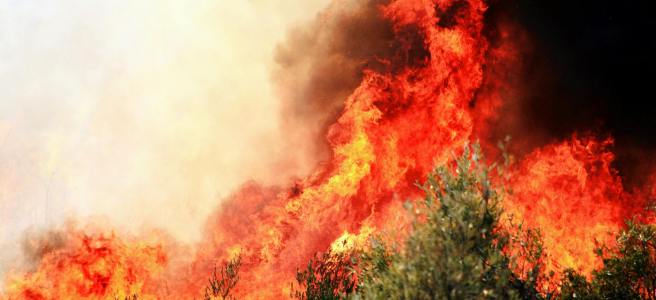
History bears this out. Between AD 70 and 73, Jerusalem was besieged, ransacked, and burned. People were trapped inside the temple and consumed by fire. Children starved. Families suffered unimaginable horrors. The city experienced the devastating consequences of rebellion and spiritual dryness—life cut off from God.
Jesus, the green tree, is cut down—but he rises again. He cannot be consumed. The fire of men cannot destroy him. But the dry tree, separated from God, is left vulnerable to judgment. His warning is both compassionate and urgent: remain connected to the source of life. For if this is what happens to the green tree, the fate of the dry is far more terrifying – not only will you be cut down, but you will never be revived or restored to life again.
How, then, are we to process this today? Part of me still wants to believe that if I do everything right, reward will naturally follow. But here Jesus seems to say that righteousness does not shield the green tree from suffering. Whether green or dry, the wicked act according to their nature. They are not merciful to the fruitful and harsh only to the barren; their sin has so distorted them that they no longer recognize the difference. Wisdom, compassion, truth—these are absent. Greed and blindness stain everything they do, think, and say. And all too often, these are the very people who rise to power and rule societies.
We do not even need to believe the Bible to see this pattern. History—and our present world—confirms it again and again. So perhaps Jesus’ instruction to “weep for yourselves” is not a call to ignore suffering of others , but a warning to understand it. Do not to be consumed by momentary tragedies—his suffering or that of others—but recognize the deeper condition of the human heart and the inescapable death and judgment. Perhaps the only real hope is Jesus Christ, resurrection and eternal life. Do not weep for Christs momentary affliction —turn to him. Do not grieve over his earthly pain; understand his eternal purposes and why he suffered. Do not distance yourself from the one being persecuted in order to save yourself, but cling to Him as a branch clings to the living vine. It is better to be cut down while attached to the green tree than to be left standing, dry and alone, only to be consumed apart from him.
Written by Kim Blenkhorn

 My Faith Place