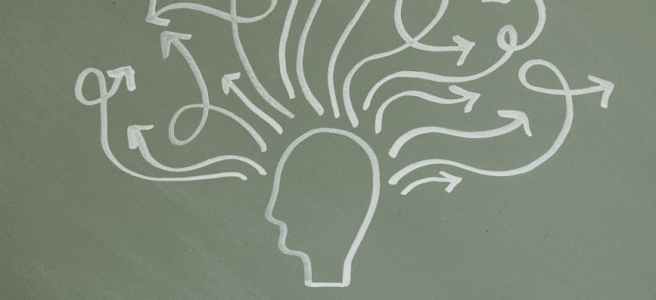
Several years ago, a mentor who worked in special education told me I showed classic signs of ADHD. At the time, I was explaining how hard decision-making was for me—every choice, big or small, carried the same weight. Life felt like a buffet of all my favorite foods: exciting, but completely overwhelming.
I was the child who loved choose your own ending books but couldn’t commit to just one path, so I read them all. Over time, I’ve learned that fewer choices work better for me: limited menus, smaller spaces, less stuff, broken-down tasks, and never starting my day without a written list.
Recognizing the Pattern
My husband had been telling me for years that I had ADHD—when I couldn’t focus in stores, when I was restless in church, when I forgot or didn’t listen well. I laughed it off. My mentor didn’t. She simply said, “Those are classic symptoms.”
I read Driven to Distraction by Ned Hallowell and recognized myself on every page. I am certain I have ADHD—not because it’s trendy or desirable (it isn’t), but because it explains a lifetime of patterns. I haven’t been formally diagnosed yet—it’s still on my to-do list—but I know my own mind well enough to name what I experience.
What It Feels Like
I am easily overstimulated by noise, crowds, and constant input. Sometimes I panic, sometimes I freeze, and sometimes my thoughts jam up entirely. New situations feel unsafe until they become familiar. I crave structure, yet resist it. I once assumed I was simply introverted—especially when I timed church greetings so I could hide in the bathroom.
I’ve lived with anxiety, depression, PMDD, and burnout—common companions for neurodivergent women. I burn out easily because I work hard just to filter the noise so I can function. I care deeply about people, but my attention swings between hyperfocus and total disengagement. Consistent focus is hard for me.
Focus, Sensory, and Learning Differences
When I’m interested, I hyperfocus—forgetting to eat, drink, or take breaks. When I’m not, I drift, doodle, or mentally check out. I am highly sensitive to sound, touch, and visual input. Certain noises or sensations can be unbearable.
ADHD in girls looks different. I was quiet, inward, and a daydreamer. My mind was restless even when my body was still. I struggled in school—math, comprehension, clocks, directions—much of it never made sense to me. I don’t know how I graduated, but I did.
The Cost—and the Strengths
I am forgetful, impulsive, chronically late, and bad with money. I’ve lost friends because of things said without a filter. I’ve lived with a low self-image for most of my life.
And yet, I am also deeply creative, resilient, and innovative—not by choice, but by necessity. I’ve had to find alternate routes to make life work. ADHD has shaped how I see, think, and create.
Learning about ADHD also helped me understand my son, now an adult, and many of the struggles we shared. It gave me compassion where there was once only frustration.
Why I’m Writing This
ADHD has real challenges, but it also has beauty. Even without a formal diagnosis, understanding my neurodivergence has helped me replace shame with grace. I’m not stupid—I’m different.
This space exists to document that difference: what helps, what overwhelms me, what I’m learning, and how I’m slowly letting go of the belief that I must function like everyone else.
What you might find here: some personal experiences
Im hoping to cover things like:
- Overstimulation, burnout, and coping
- Faith, creativity, and neurodivergence
- Systems that help (and ones that don’t)
- Shame, grace, and self-acceptance
- The journey toward diagnosis—when I finally make that appointment
This is not a how-to or a polished success story. It’s a record of learning, unlearning, and becoming—one post at a time.

 My Faith Place