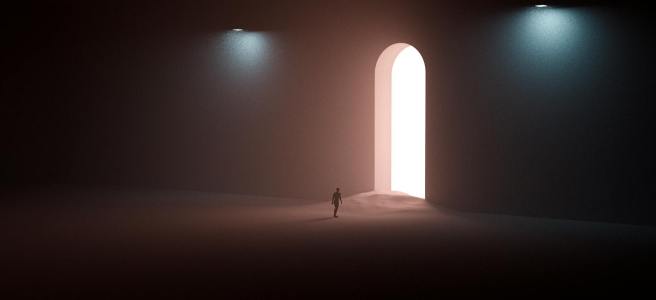
Are we born free? If so, it is only after first knowing constraint—emerging from the narrow walls of the womb, shaped by forces beyond our control. Freedom is learned through limits.
What prepares the soul to desire freedom but bondage?
What prepares us to repent before the cross but the harsh reality of sin?
What makes us run toward life but the nearness of death?
Light is only compelling to those who have lived in darkness.
Joy is most recognizable to those familiar with despair.
To prepare for the feast of resurrection, must we not first taste the deprivation of the grave? Must we not remember Egypt before entering the promised land, sit in judgment before receiving mercy, and feel the weight of our transgression before grasping the depth of forgiveness?
When the sting of the whip is still felt, the balm of Christ’s love is all the more sweet.
This is Lent: choosing a small suffering so that we may receive the full measure of deliverance. Bread is never so soft and sweet as after a fast.
We spend much of our lives avoiding pain and numbing ourselves to darkness, fleeing the discomforts God allows to reveal His sovereignty and mercy. But if we flee discomfort, we forfeit the comfort of His hand passing over our wounded frames.
We must endure a little Egypt if we are to rejoice in the Promised Land. We remember that we were once slaves—once dead, once afflicted, once oppressed—so we may prepare our hearts to receive freedom.
The depth of our rejoicing in the resurrection is proportionate to our awareness of deliverance. When we deny ourselves the anesthetizing pleasures of the world, we make room for a greater measure of the Spirit’s joy. We say no to ourselves so we can say a louder yes to Christ.
And then we are born again into the light of His grace.
This is the gospel. There is always bad news before good news. In the bad news, Christ comes down to see our affliction. In the good news, He rises to deliver us from it. Lent is the path through darkness, preparing us to step into the wonder of the empty grave.

 My Faith Place